In today’s fast-changing digital world, customer expectations are higher than ever. They demand instant access, personalized services, and seamless experiences—and businesses must adapt quickly to survive. One of the most powerful tools enabling this transformation is the mobile app.
At Encoders, we’ve witnessed how organizations—from startups to large enterprises—are using mobile apps as the backbone of their digital transformation strategy. But why are mobile apps so critical, and how exactly do they help businesses evolve? Let’s explore.
The Link Between Mobile Apps and Digital Transformation
Digital transformation isn’t just about adopting technology; it’s about reimagining business models, customer interactions, and internal processes. Mobile apps play a central role because they put businesses directly into the hands of their customers.
Unlike traditional websites or offline methods, apps offer:
- 24/7 availability on customer devices
- Personalized engagement through push notifications and recommendations
- Real-time communication for faster decision-making
- Integrated services like payments, geolocation, AI-driven insights, and more
Essentially, mobile apps act as the bridge between companies and the digital-first consumer.
How Mobile Apps Are Transforming Businesses
1. Enhancing Customer Experience
Customers expect speed, simplicity, and personalization. Apps deliver this by:
- Offering smooth navigation and tailored content
- Enabling secure digital payments
- Providing real-time order tracking, booking, or service updates
Example: Food delivery, healthcare, and ride-hailing apps keep customers informed at every step, boosting trust and loyalty.
2. Driving Operational Efficiency
Digital transformation isn’t only about customers—it’s also about how businesses operate internally.
Mobile apps streamline operations by:
- Automating manual tasks
- Offering employee apps for attendance, field operations, and reporting
- Reducing paperwork with digital forms & e-signatures
This translates into cost savings, faster workflows, and improved productivity.
3. Unlocking Data-Driven Decisions
With analytics integrated into apps, businesses can track:
- Customer behavior patterns
- Purchase history
- Engagement levels
This data becomes invaluable for making informed decisions, personalizing services, and identifying new revenue streams.
4. Expanding Market Reach
Apps help businesses tap into new markets by offering services beyond physical boundaries.
- A retail store can become a global e-commerce brand.
- A local service provider can scale into multiple cities with an on-demand app.
Mobile apps eliminate geographical limits and provide borderless growth opportunities.
5. Enabling New Business Models
Digital-first businesses often operate entirely through mobile apps.
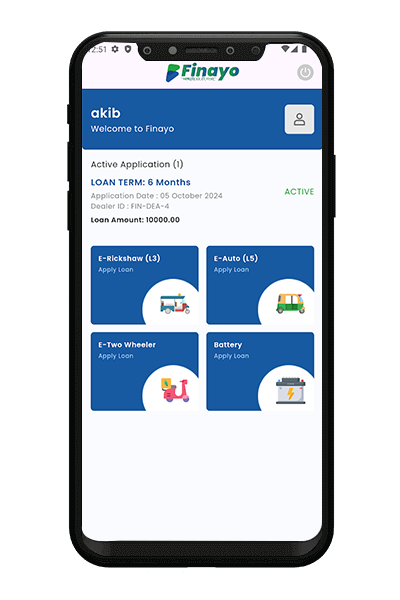
- Fintech apps simplify banking and lending.
- EdTech apps enable remote learning.
- HealthTech apps connect patients with doctors virtually.
Without mobile apps, many of these industries wouldn’t have scaled so rapidly.
The Future of Mobile-Driven Transformation
Looking ahead, mobile apps will continue to lead digital innovation. Key trends include:
- AI-powered personalization for smarter recommendations
- IoT integration for connected devices
- AR/VR experiences in retail, training, and education
- Blockchain for secure transactions
- 5G technology unlocking faster, richer experiences
Businesses that invest in mobile apps today will be future-ready to harness these innovations tomorrow.
Conclusion
Digital transformation is no longer optional—it’s a necessity for survival and growth. Mobile apps have become the most effective tool for businesses to adapt, innovate, and connect with customers in meaningful ways.
At Encoders, we specialize in building mobile applications that go beyond functionality—they drive transformation, improve efficiency, and create real business impact.
👉 Ready to start your digital transformation journey? Contact us today to build a mobile app that takes your business to the next level.